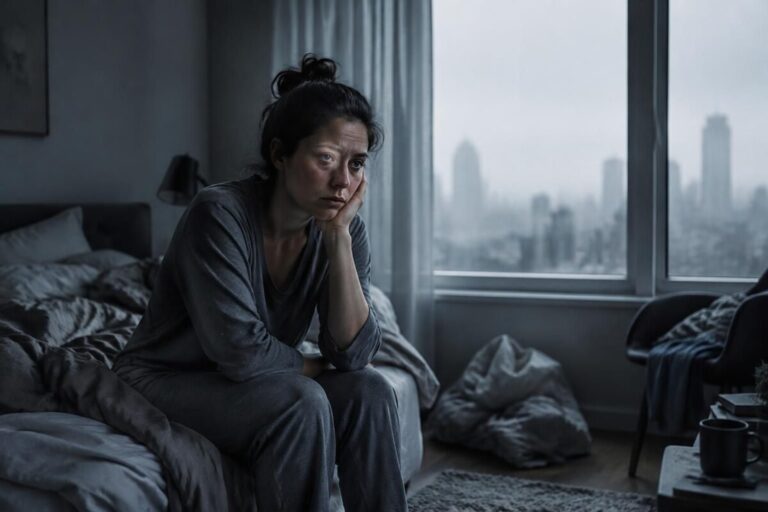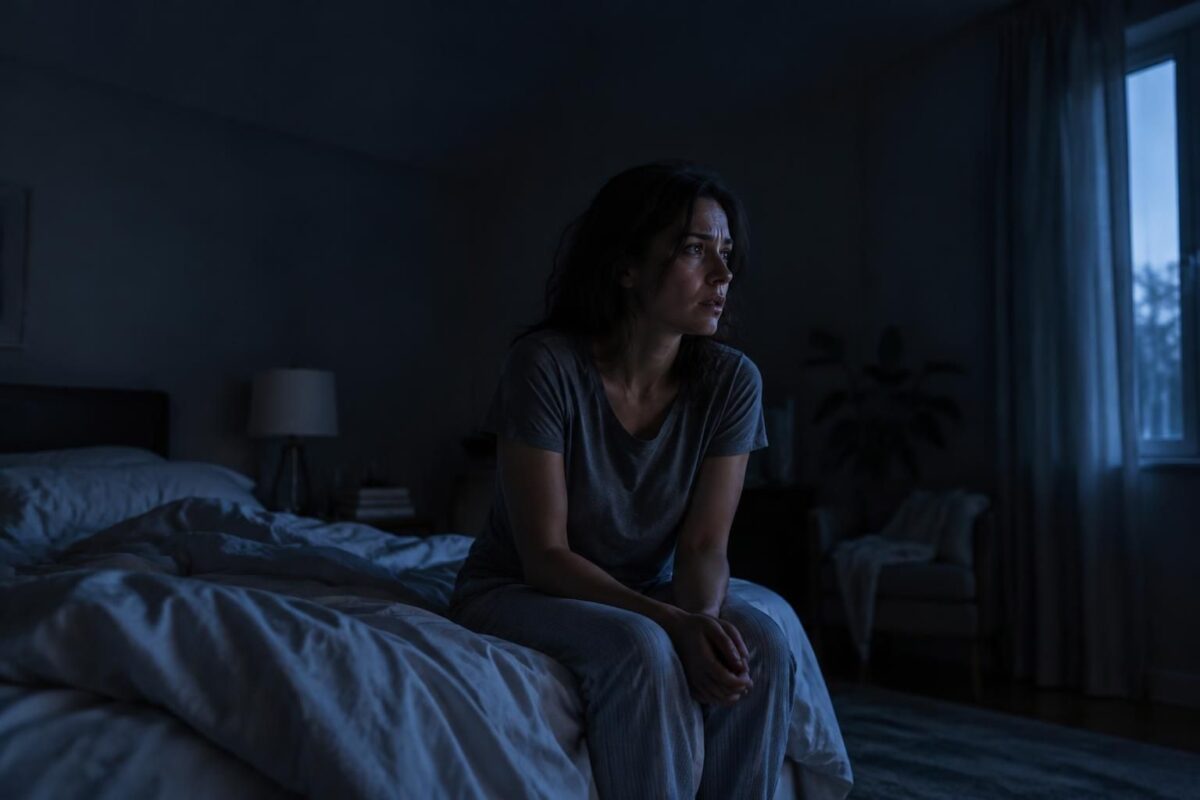
Bad sleep: why you feel in danger
Hello, this is Hélène. Poor sleep can make your brain more sensitive to threats and fuel a feeling of danger, without it meaning that a danger is actually present. After a restless night, stress and fatigue can amplify fear, hypervigilance, and nighttime anxiety. This feeling deserves to be listened to, not automatically taken as proof that something is wrong.
The right reflexes to adopt
- Remember that fatigue can amplify emotions: name what you feel without judging yourself.
- Check your surroundings calmly: make sure you are safe, then avoid looping back to checks.
- Slow your breathing: inhale slowly, then lengthen the exhale for a few cycles.
- Reduce stimulations: dim the lights and put away your phone if information or screens are making you tense.
- Keep regular routines: a fairly stable wake-up time helps support the wake-sleep rhythm.
A difficult night can also disrupt concentration and mood the next day. To better understand the brain’s reactions, discover why your brain resists sleep and the link between light sleep and stress.
Why poor sleep can give the impression that you’re in danger
Sleep helps the nervous system recover and regulate emotions. When it is too short, fragmented, or not restorative, a setback can seem more threatening and worrying thoughts become harder to calm.
This reaction doesn’t mean you’re imagining what you feel. It means fatigue can alter how you interpret signals around you: nocturnal quiet, an unexpected noise, or a nightmare can then trigger a strong internal alert.
If fear tends to appear after a restless night
Observe the link between your rest and your emotional state, without drawing conclusions after just one night. Most adults need about 7 to 9 hours of sleep, but needs vary and quality matters too.
For example, after several disrupted nights, Lina notices that a mundane noise in the hallway makes her startle. She checks once that all is well, then focuses on her breathing instead of endlessly seeking a worrying explanation.
If the feeling of danger recurs often
Persistent nighttime anxiety may be linked to stress, insomnia, recurring nightmares, or another sleep problem. Significant snoring, observed pauses in breathing, or marked daytime sleepiness also justify talking to a health professional.
Excessive sleep isn’t automatically a disorder: sleeping longer occasionally can accompany a recovery period. Conversely, regularly sleeping far beyond your needs and remaining exhausted deserves to be explored rather than corrected blindly.
| What you notice | What you can try | When to seek advice |
|---|---|---|
| Worry after a short night | Take a few minutes to breathe and regain your bearings | If fear becomes frequent or overwhelming |
| Repeated awakenings or difficulty falling asleep | Gradually stabilise schedules and limit screens in the evening | If the problem persists and affects daytime |
| Fatigue despite a long time in bed | Note timings, awakenings and energy upon waking | If fatigue lasts or is accompanied by significant daytime sleepiness |
The mistakes that fuel nighttime anxiety
Trying to force sleep can increase tension: watching the clock and blaming yourself for not sleeping fuels wakefulness. Better to engage in a calm activity under soft light, then return to bed when drowsiness returns.
Caffeine in the late afternoon, nicotine, and screens right before bed can also hinder falling asleep. A regular and realistic routine is more useful than a long list of rules impossible to follow.
A three-step method to regain your bearings
- Identify the context: for one to two weeks, note your bedtimes, wake times, any nightmares, and your stress level.
- Choose a simple adjustment: for example, keep a stable wake time or reduce caffeine in the evening. Change one habit at a time to observe its effect.
- Ask for help if needed: consult a professional if insomnia, fear, or fatigue persist. If you are in immediate danger, seek help without delay.
Frequently asked questions about poor sleep and the feeling of danger
Can lack of sleep increase fear?
Yes, insufficient rest can make emotions harder to regulate and foster a more threatening interpretation of certain events. This alone does not explain all the symptoms.
Why am I hypervigilant at night?
Fatigue, stress, insomnia, or distressing experiences can keep the nervous system in a state of alert. If this recurs or disrupts your days, talk to a health professional.
Do nightmares mean that a danger is real?
No. A nightmare can be very distressing, but it does not necessarily predict a real event. Take time to reorient yourself upon waking and observe if these episodes become frequent.
How to regain inner security after a bad night?
Check your surroundings once, remind yourself where you are, then slow your breathing. A regular routine and appropriate support can help if the feeling of insecurity persists.
Thanks for reading! Feel free to share your observations in the comments. — Hélène