Screen habits: the subtle trap before bed
Hello, this is Hélène.
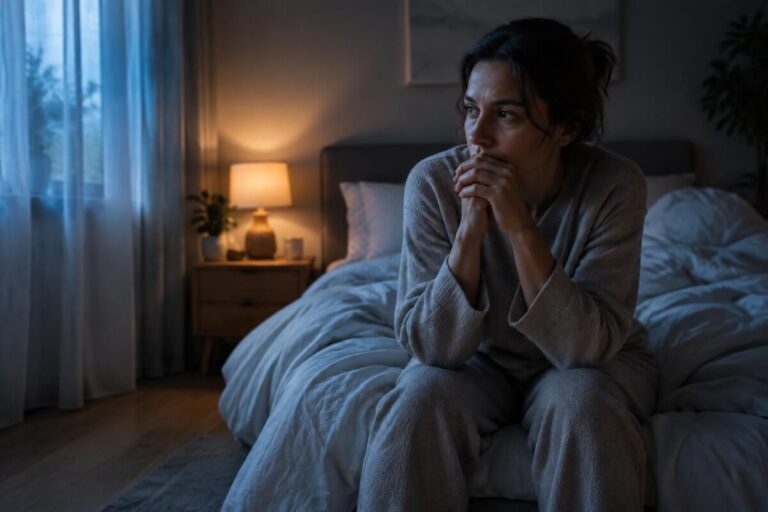
To prevent screens from disturbing your sleep, ideally cut them 30 to 60 minutes before bed and adopt a calm routine.
A few videos or messages may seem harmless, but scrolling can stretch on easily. By adjusting your digital habits, you can promote falling asleep and protect your well‑being without aiming for a perfect evening.
Things to do right away
- Choose a time to disconnect, even if you start 15 minutes before bedtime.
- Move your phone away from the bed and use a traditional alarm clock if you can.
- Turn on night mode and lower the brightness if you still need to check a screen.
- Replace scrolling with a calming ritual : reading, gentle stretches or calm music.
- Observe your energy upon waking to identify what really improves your sleep.
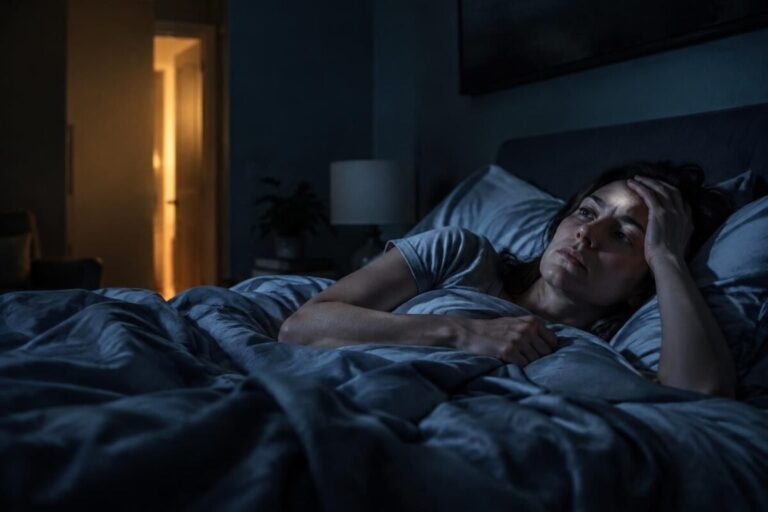
Lack of rest can also weigh on confidence and motivation: discover why poor sleep can make you more vulnerable and how a short night’s sleep can weaken your will. These effects don’t always come from screens alone, but using screens late at night can contribute to delaying your bedtime.
The trap of screens before bed
The risk often hinges on two things: light and time spent in front of the screen. A bright light in the evening can delay the signals that prepare the body for rest, while a video that keeps playing can push back the planned bedtime.
Content also matters. A stressful message, worrying news, or an engaging game keep attention on alert at the moment you would like to slow down. Blue light doesn’t explain everything: usage, duration, and emotional intensity are also important.
A concrete example: “just five minutes”
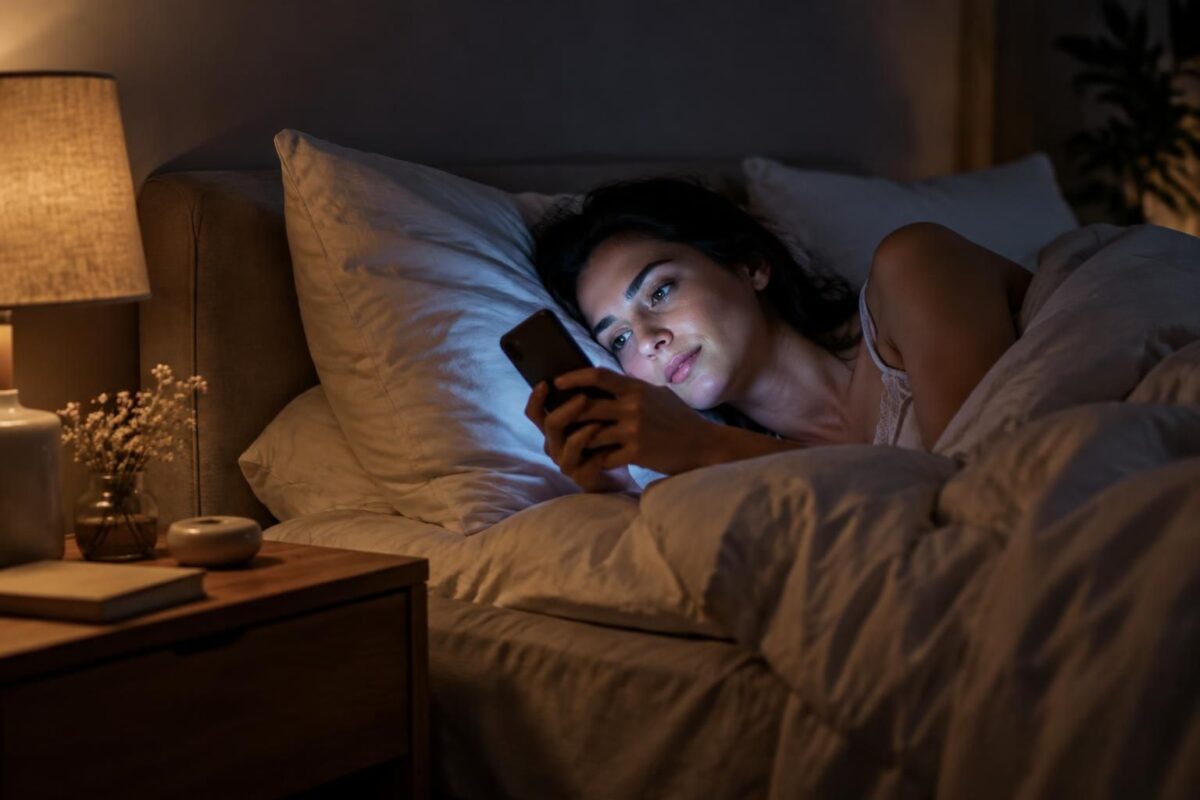
Imagine Lina, who checks her phone after sliding under the covers. She plans to quickly check her messages, then goes from one video to another and notices that half an hour has passed.
The next day, she feels tired and blames her lack of energy on a poor night. By moving her phone out of the room and preparing a book near the bed, she gradually reduces this temptation: a small change in the environment can make a good habit easier.
| Evening habit | Possible effect | Simple alternative |
|---|---|---|
| Watching videos in bed | Bedtime shifts later without realizing | Set a stopping time and place the device out of reach |
| Reading stimulating messages | The mind stays occupied or preoccupied | Delay replies until the next day |
| Using a very bright screen | The light can interfere with rest preparation | Lower brightness and opt for soft lighting |
Reduce screen time in the evening without turning everything upside down
A common mistake is trying to go from prolonged use to a completely screen-free evening overnight. If this rule feels too difficult, start with a realistic limit and adjust it gradually.
The dependence on digital use isn’t always the cause: sometimes it’s simply an automatic habit. Identify the moment when you pick up your phone — out of boredom, stress, or to avoid silence — to help you choose an appropriate replacement.
A three-step method to change the habit
- Identify your trigger. For a few evenings, note when you pick up your phone again and what drives you to do it.
- Prepare an alternative. Leave a book, a notebook, or a cup of herbal tea within reach to replace the reflex to check.
- Test a limit for a week. Start with 15 to 30 minutes without screens before bed, then observe your sleep onset and morning fatigue.
If you use your phone as an alarm or for a practical reason, keep it at a distance and enable the “do not disturb” mode. The goal is not to ban technology, but to ensure that it does not decide for you when your day ends.
Frequently asked questions about screens and sleep
How long before bed should you stop using screens?
Try starting with 30 minutes. If that works for you, you can aim for 60 minutes, but gradual reduction remains useful if you typically check your devices until bedtime.
Is night mode enough to protect sleep?
It can reduce blue light, but it does not regulate the time spent on the screen nor the stimulating effect of content. An hour of stopping and a calm activity can complement this setting.
What should you do if you have to use a screen in the evening?
Lower the brightness, enable night mode and opt for a brief, low-stimulation task. Avoid as much as possible viewing anxiety-inducing content just before sleep.
Are screens the only cause of poor sleep?
No. Stress, irregular schedules, the environment and other factors can also play a role. If difficulties persist or affect your health, seek advice from a health professional.
Thank you for reading! If the topic resonates with you, share your experience in the comments. — Hélène